Archaeology Blog
2026 Field School Week 5
1 Shoe, 2 Shoe, Red White and Blue Too!
By Kate Wittich & Jessie Tabella
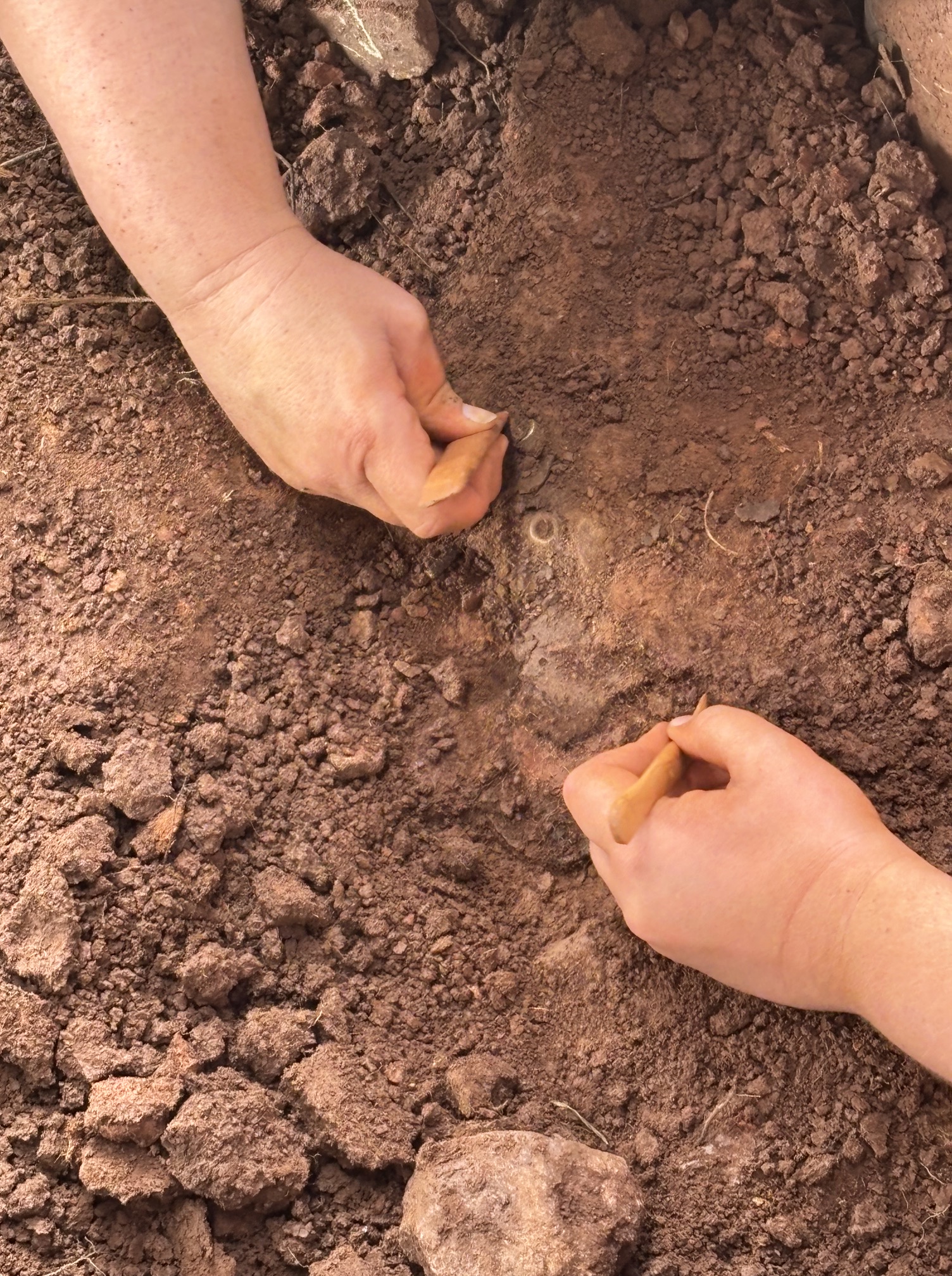
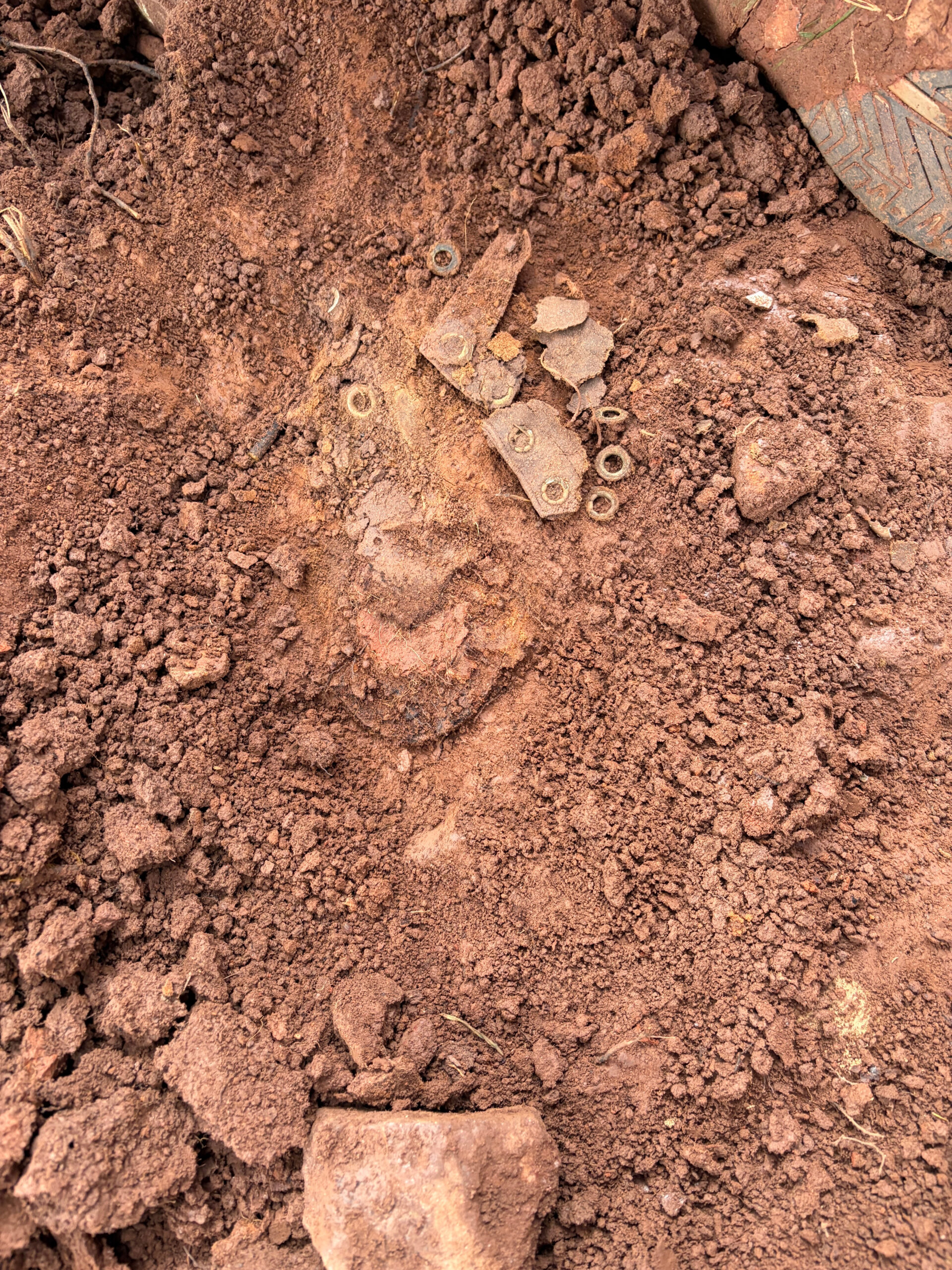
Welcome to Week 5 of Field School! This week we have been continuing our work at the 1857 Slave Dwelling, really honing the excavation skills we have been developing the past five weeks. Just when you think you have gotten the hang of it, something new pops up. We had the exhilarating experience of finding one of the two shoes discovered this week—a rare occurrence, especially since leather does not typically preserve well. We had to pause our work to carefully excavate the sole using bamboo picks, which are much gentler on artifacts than our metal trowels. After documenting the shoe in place, we carefully removed it, collecting as much of the preserved leather as possible to bring back to the lab. While these shoes were found on the same day, they were in separate areas of the excavation and don’t seem to be a matching pair.
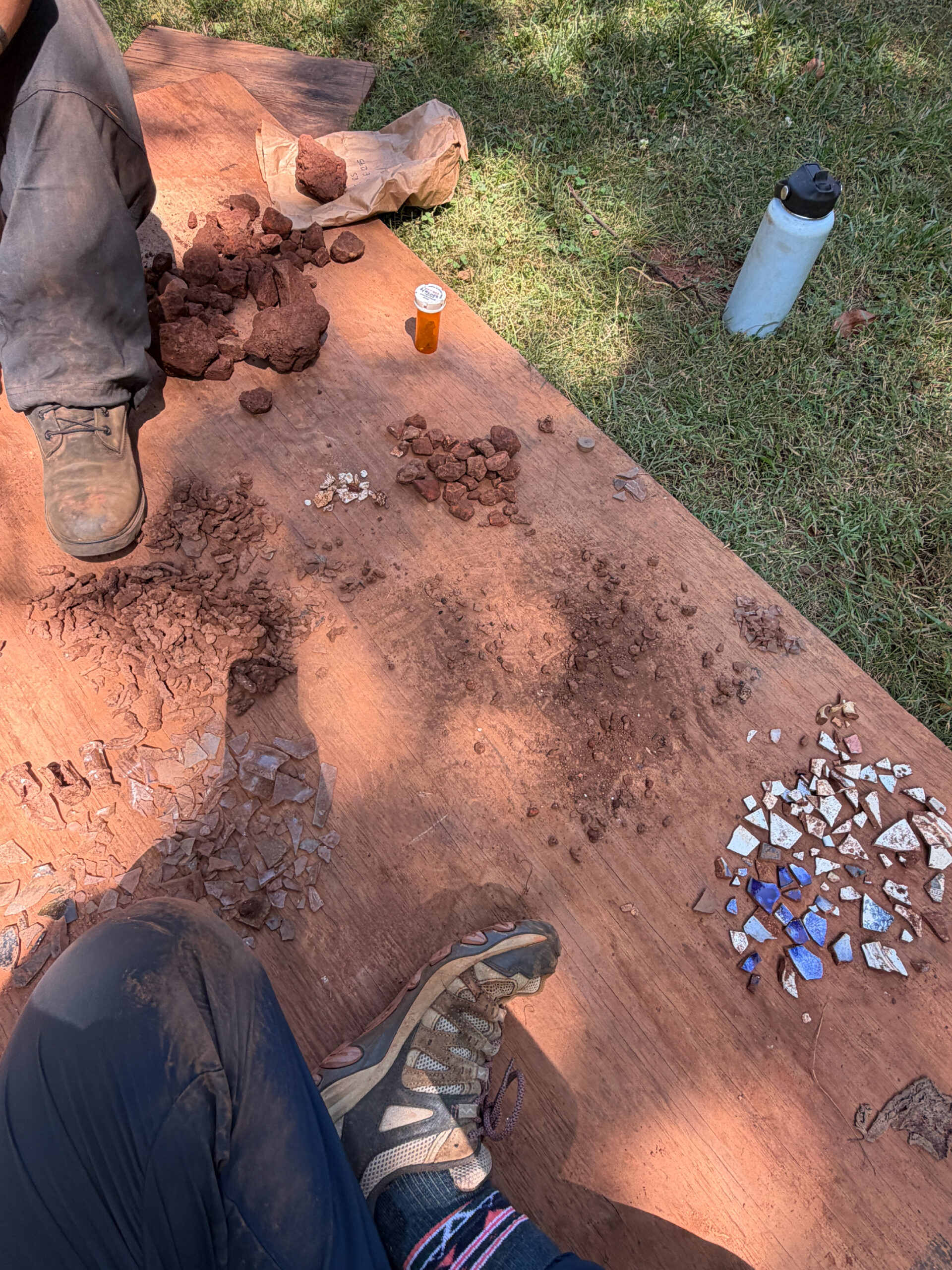
We are still turning up new artifacts and information as we slowly make our way lower through the soil layers. We have uncovered plenty of other artifacts this week, ranging from ceramic plates with flow blue patterns to an oyster shell (how did that get here?), a hefty padlock, and glass medicine bottles. It’s not always about the artifacts that we find but the abundance of artifacts and learning has certainly made working in the summer heat worthwhile! We are also keeping a close eye on the temperature, staying hydrated and in the shade as much as possible. A majority of our field work this week was done in the morning while temperatures were still low enough to be outside, while our lab work and discussions were moved to after lunch so we could be inside, away from the summer sun.
On Wednesday morning we had a lecture and discussion involving ethical practices in archaeology. This included the current standards accepted and used in the field and the nuance of their application. We also spent time discussing the role of house museums like Poplar Forest, not just focusing on the archaeology itself but on the reasons why we excavate, how that information is presented to the public, and why community engagement plays such an important role in what we do. Archaeology isn’t only about the excavation and lab work but also sharing that information with others.
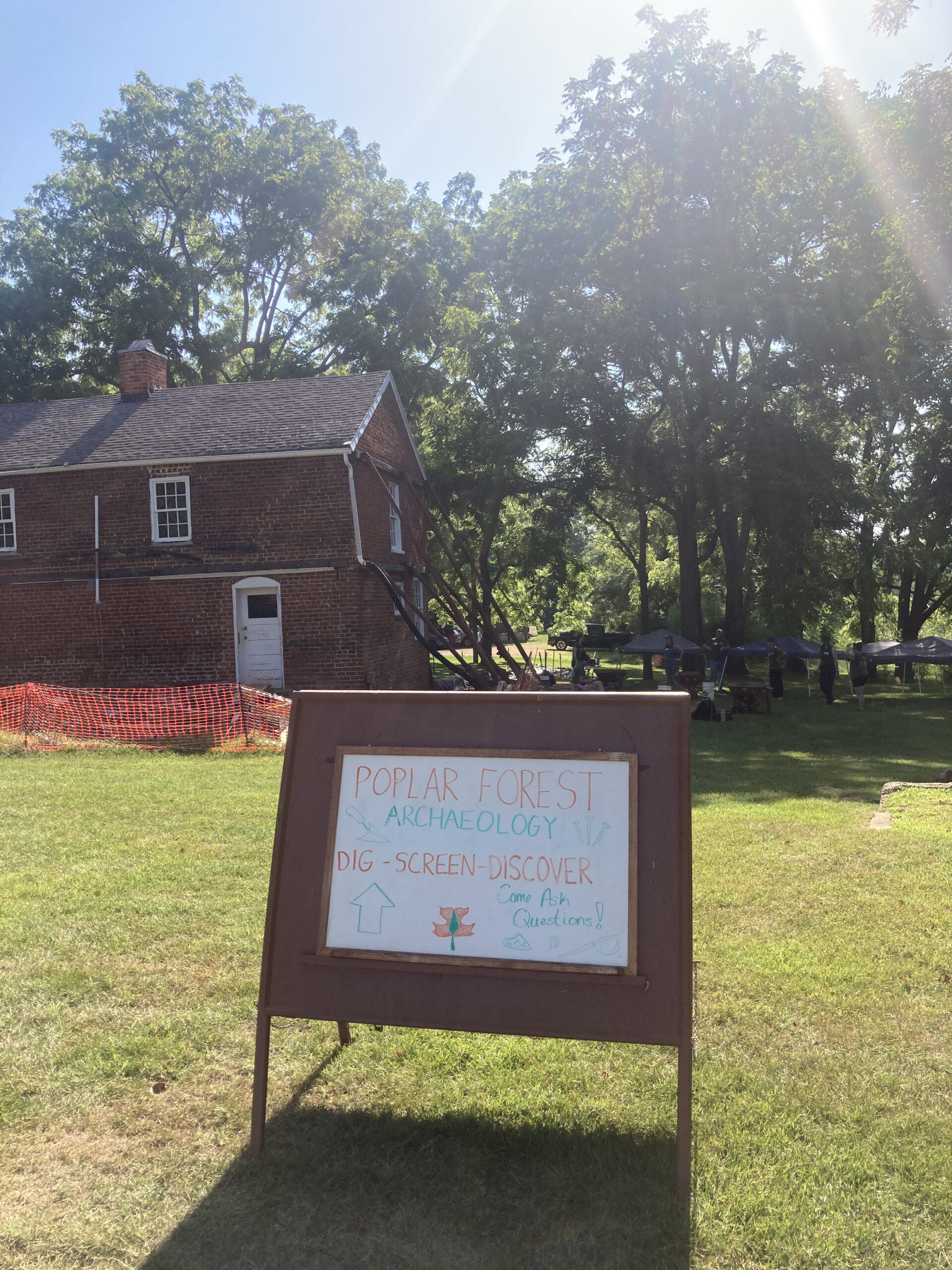
Closing out the week, each of us had the opportunity to showcase our skills and discoveries to the public during the Independence Day event here at Poplar Forest. Archaeology is very much a collaborative effort, not only with other archaeologists but other types of professionals and the public as well. People of all ages came and interacted with the site and the field school. People have the ability to surprise you and it was really encouraging to see so many people interested in what we were doing and eager to talk with us. It was inspiring to see the sparks of curiosity and wonder in visitors’ eyes as we explained the history of the site and the significance of our work. As we have learned throughout this field school, archaeology is not simply about digging in the dirt and finding interesting objects; it revolves on uncovering the stories traditional history classes cannot always tell and sharing that knowledge with the broader community.
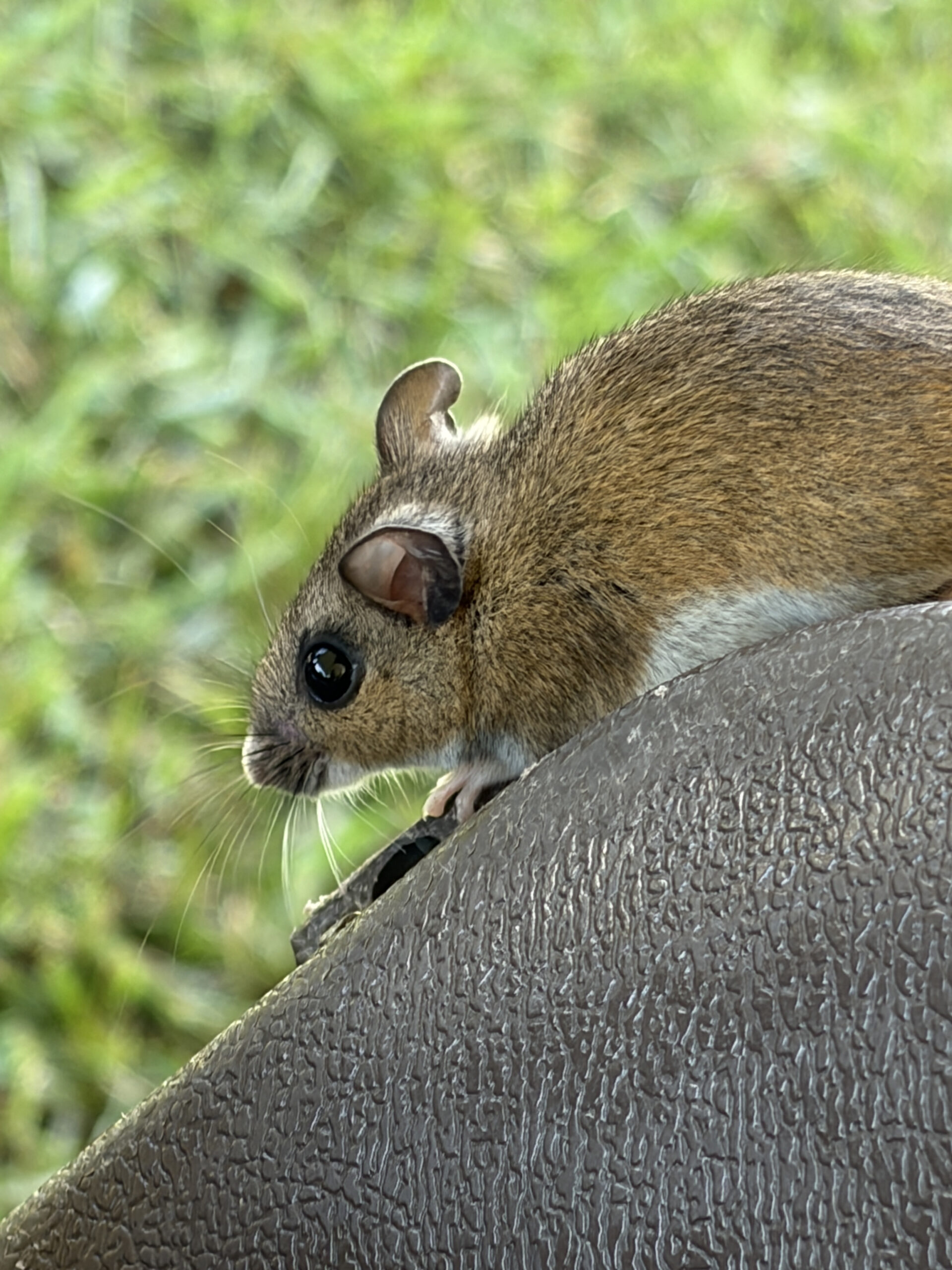
An unexpected “helper” made a surprise appearance as we were setting up the tables and tents for the 4th.